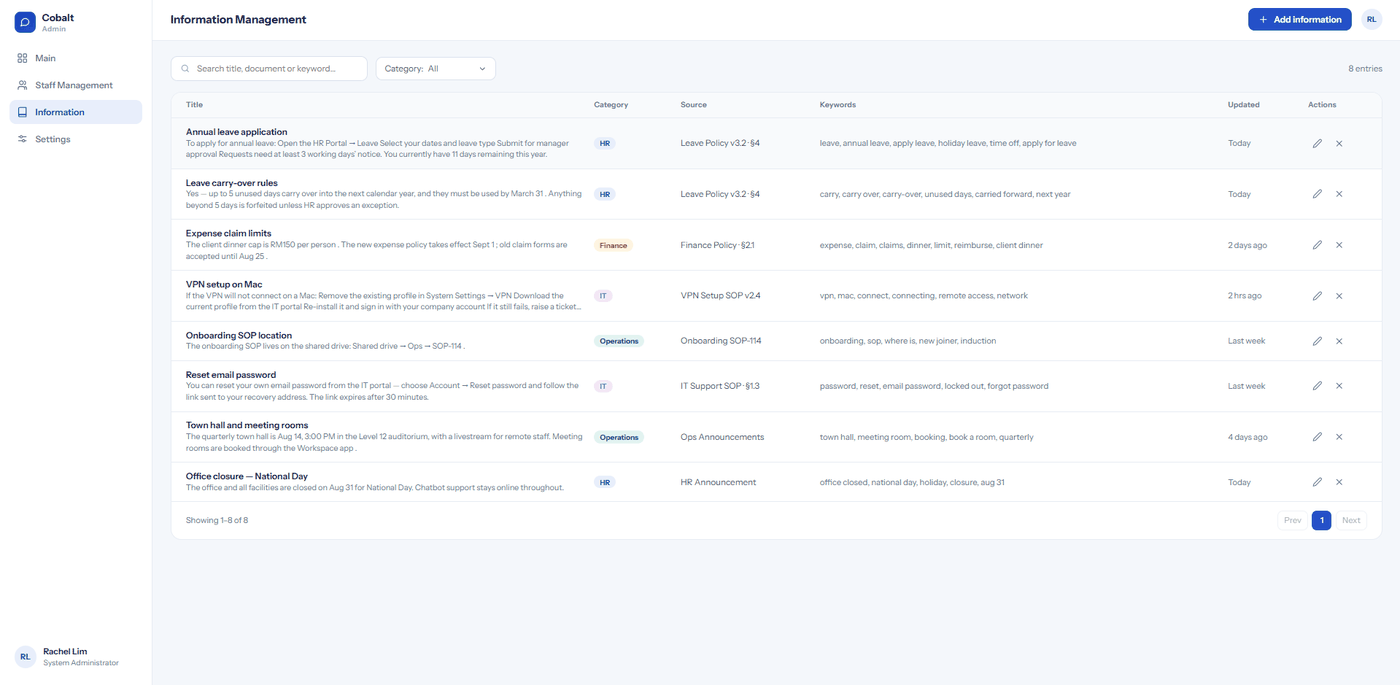
AI knowledge management for companies
T-NEX designs and builds knowledge systems with source references, evaluating document search, RAG, knowledge graphs and maintained wikis against your questions.
Explore service
We connect software and AI with processes in planning, IT and production. Together, we select a specific task and test the solution with your data and users. The results show how the application can be developed further.
Aligned with your processes
For management, production leaders, production planning, IT and project owners in manufacturing businesses.
Start with a recurring question: Which work instruction applies? Which document is missing? Which projects need the same resources? The answer determines the data, interface and integrations. A clearly defined task makes development and operating decisions easier to assess.
| Area | Concrete task | Relevant T-NEX service |
|---|---|---|
| Technical documents | Find approved information or prepare extracted details for review | Knowledge management or document AI |
| Production planning and execution | Connect work plans, instructions and shop-floor feedback | Custom development, illustrated by the MONTEE project |
| Project portfolio | Consider priorities, ownership and resources across projects | Project portfolio management |
T-NEX designs and builds knowledge systems with source references, evaluating document search, RAG, knowledge graphs and maintained wikis against your questions.
Explore serviceEvaluate one AI use case with T-NEX: limited scope, suitable data and agreed criteria for expansion or stopping.
Explore service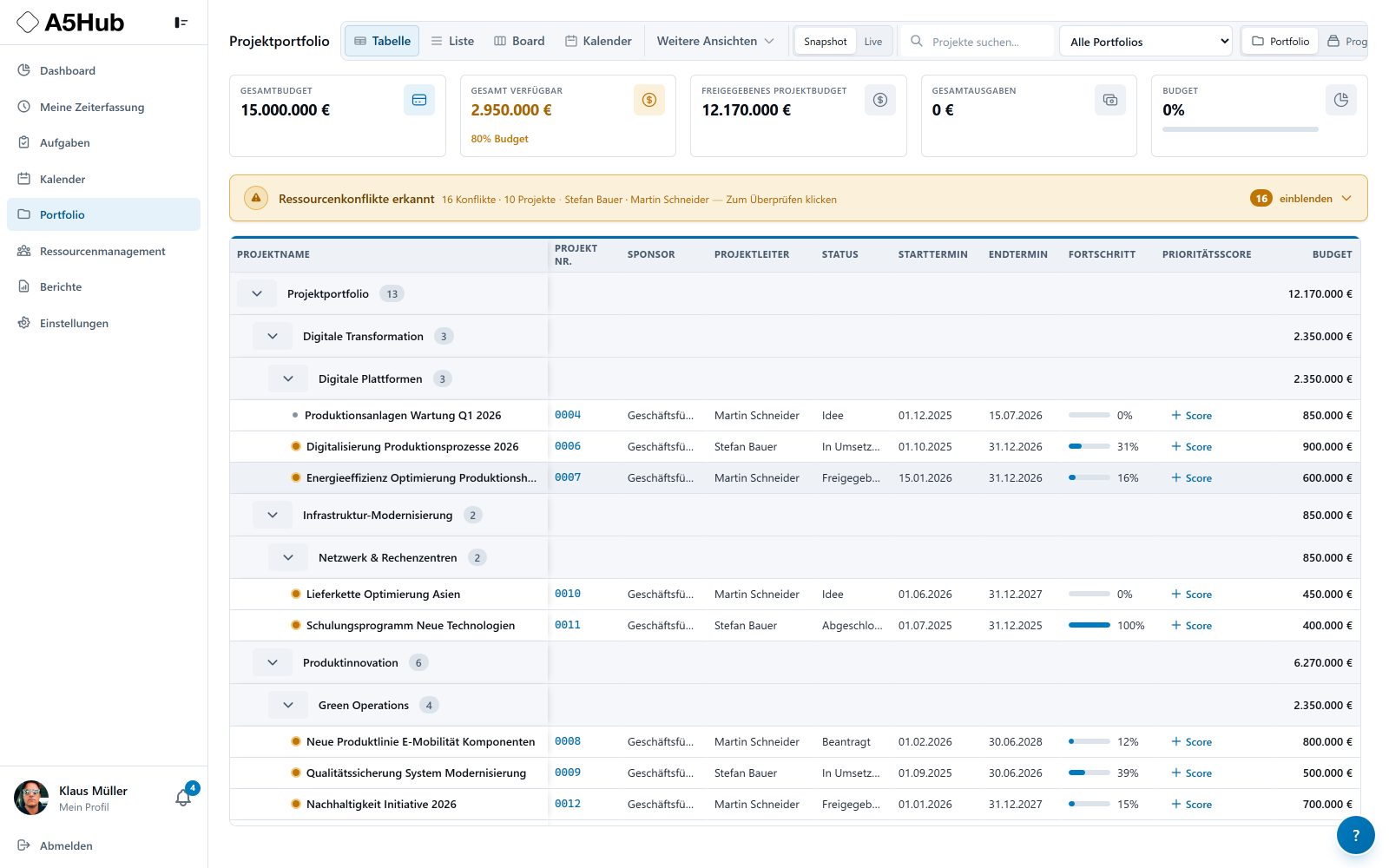
T-NEX PPM connects portfolios, projects, resources and costs. Plan work packages, agree capacity and compare changes against an established baseline.
Learn more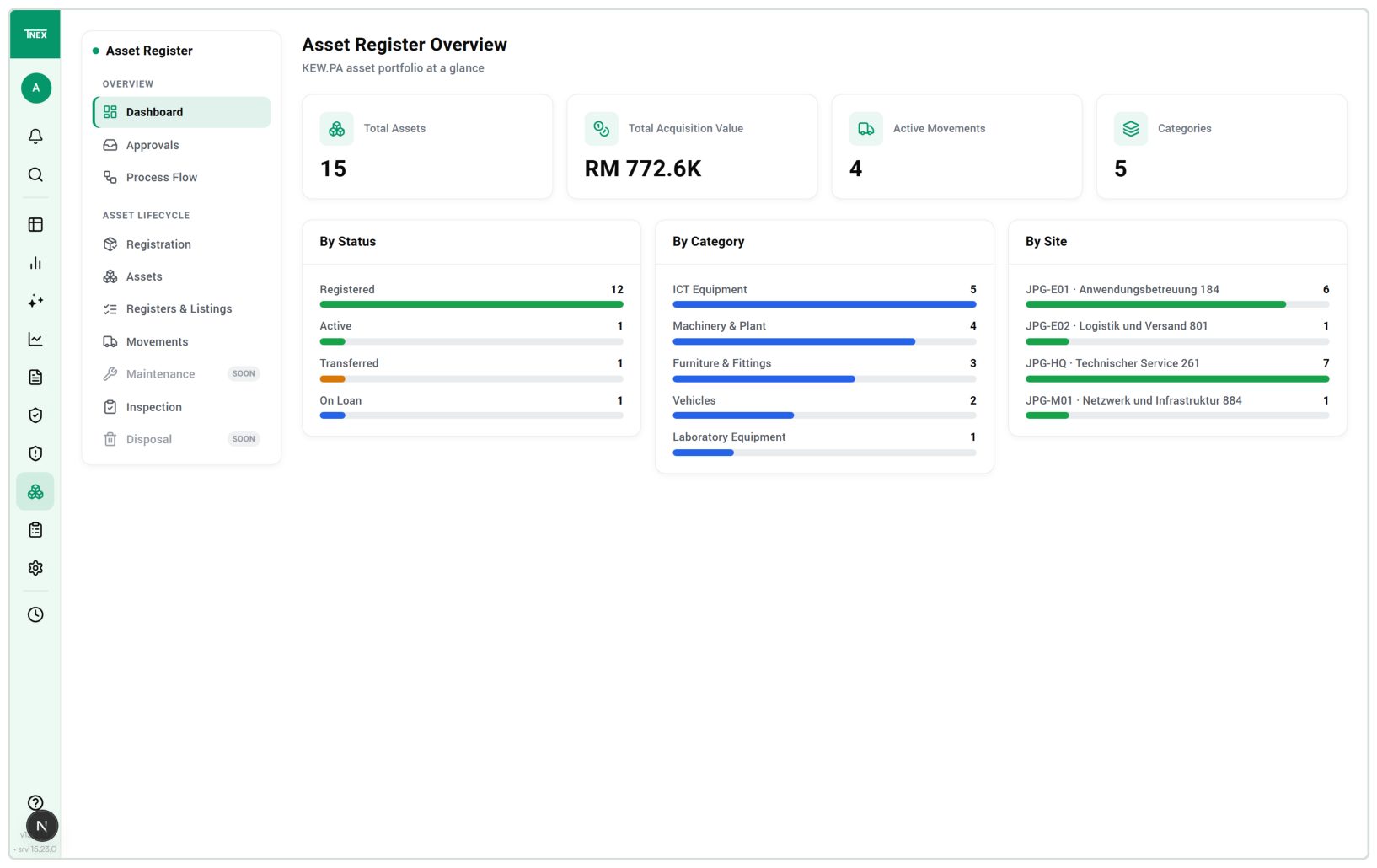
Keep track of assets, locations and loans: T-NEX connects inventory, transfers and physical checks in an adaptable application.
Learn moreT-NEX contributed to the development of MONTEE manufacturing software. The application connects work plans maintained in administration with guided steps at an operator terminal. Feedback, quality checks and relevant documents remain associated with the job.
MONTEE is a customer project. The reference demonstrates development work on planning, interfaces and feedback. It is not a standard T-NEX MES and does not establish a general increase in throughput. System boundaries and rights to existing components are clarified separately for a new project.
Establish where items, bills of materials, orders and approved document versions are maintained. An application needs clear rules for reading data, writing updates and leaving decisions in the authoritative system. Existing interfaces and data quality are evaluated against real examples.
Acceptance should cover a corrected bill of materials, a duplicate order and an interrupted connection. If mobile or local buffering is required, later synchronisation belongs in the same test. Recovery after an error is part of the workflow.
Operations defines the task and evaluates results. IT assesses integration and operation. Data protection roles review processing. In Germany, section 87(1)(6) of the Works Constitution Act is particularly relevant to technical systems for monitoring employee behaviour or performance. The specific works council involvement is clarified before introduction.
Make the intended views concrete: Which individual records are captured, which analyses are possible and who can access them? A view for order coordination and an employee performance analysis are different decisions. Define purpose, access and deletion accordingly.
Agree comparison cases and quality criteria before development. Knowledge search needs correct answers and supporting sources. Document processing needs accurate output fields. A production interface needs clear guidance, correct job allocation and complete feedback.
Include the time users spend checking and correcting results. A successful model call alone does not establish operational benefit. The pilot ends with a reasoned decision to expand, adapt or take another approach.
After introduction, an application needs owners for content, users, interfaces and changes. AI adds source maintenance and evaluation of changing answers. Include this work when deciding on scope.
Agree the operating environment, handover and routes for incidents and changes at the start. Another production hall, site or document type may require different access controls and tests. Expansion follows demonstrated requirements.
A process map, the systems involved and a few approved example cases are enough for initial scoping. Identify a user representative, a technical contact and the decision to be made after the pilot.
We use this information to define development scope, integrations and acceptance criteria. Operations and IT can then evaluate the same proposed project.
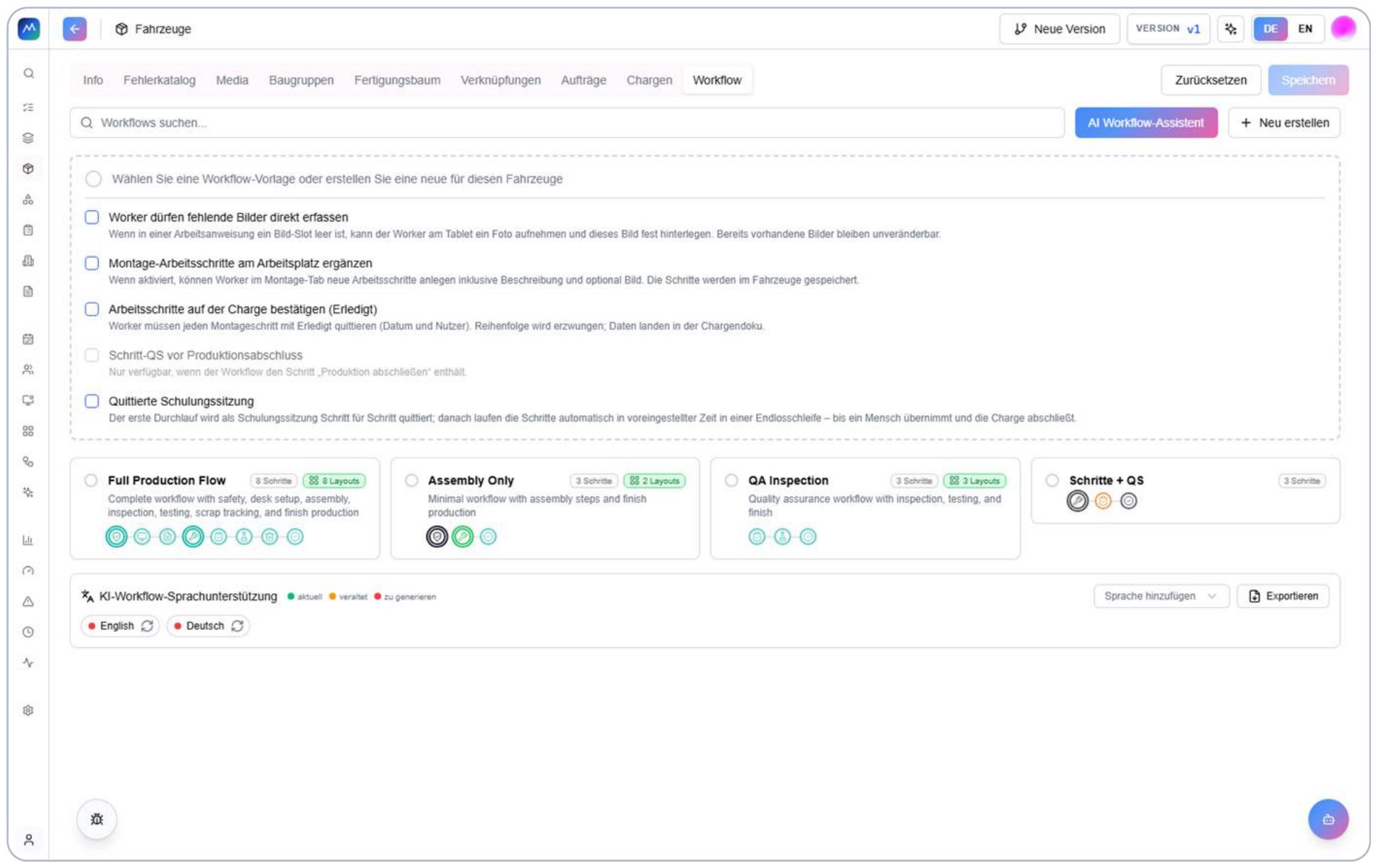
Manufacturing software for MONTEE, developed by T-NEX: work plans, operator guidance and capacity planning connect the office and production.
View referenceOperations and IT need to support the use case and make decisions. T-NEX provides the agreed development work. A dedicated model development department is not automatically required for a limited application.
Yes, when the task and environment can be sufficiently bounded. Changes to machine control or safety-relevant functions require additional technical and specialist assessment. An information assistant is a distinct use case.
This page presents MONTEE as a customer project and development reference. A new project is planned around your requirements and components that may lawfully be used. The reference does not imply a general T-NEX MES package.
Compare the same case types before and after the change, including review, rework and operating effort. A fixed saving is not assumed before that assessment.
Manufacturing software for MONTEE, developed by T-NEX: work plans, operator guidance and capacity planning connect the office and production.
View referenceT-NEX PPM connects portfolios, projects, resources and costs. Plan work packages, agree capacity and compare changes against an established baseline.
Learn moreT-NEX designs and builds knowledge systems with source references, evaluating document search, RAG, knowledge graphs and maintained wikis against your questions.
Explore serviceEvaluate one AI use case with T-NEX: limited scope, suitable data and agreed criteria for expansion or stopping.
Explore servicePrepare workplace AI in Germany: early information, co-determination, employee data, pilot boundaries and a system-specific works agreement.
Keep track of assets, locations and loans: T-NEX connects inventory, transfers and physical checks in an adaptable application.
Learn more